Introducing Your New Puppy to Your Older Dog

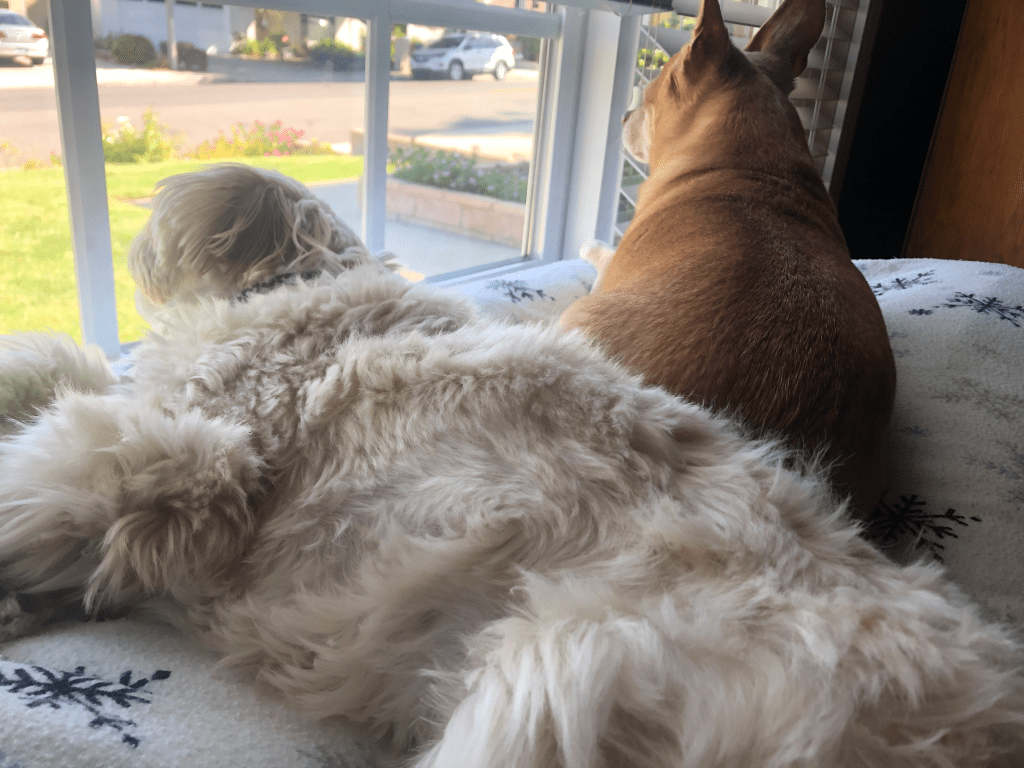
My dog and my sister’s dog sitting together at the window

Let me start by saying this is probably one of the most popular questions I get with customers at my job: How do I introduce my puppy to my older dog?

No matter what, there will be jealousy between the dogs. Especially if your dog is the only dog you have at your home. A way around this is socialization. This is as important when their puppies as it is when they’re adults. Relating back to my previous post on dealing with separation anxiety, dogs that aren’t properly socialized are more susceptible to becoming fearful of new people and situations. Getting your dog familiar with having other dogs around and people they may not know helps ease anxiety in the future.

Once you’ve made sure your dog is properly socialized before taking in a new puppy, it’s important to shower your older dog with lots of love when the puppy is around. It’s not uncommon for dogs to develop jealousy towards their new brother or sister. Although new puppies need lots of guidance and attention, make sure you involve your other dog in as much of the activities as you can; doing so will help alleviate the potential for either dogs to begin resource guarding you for attention.
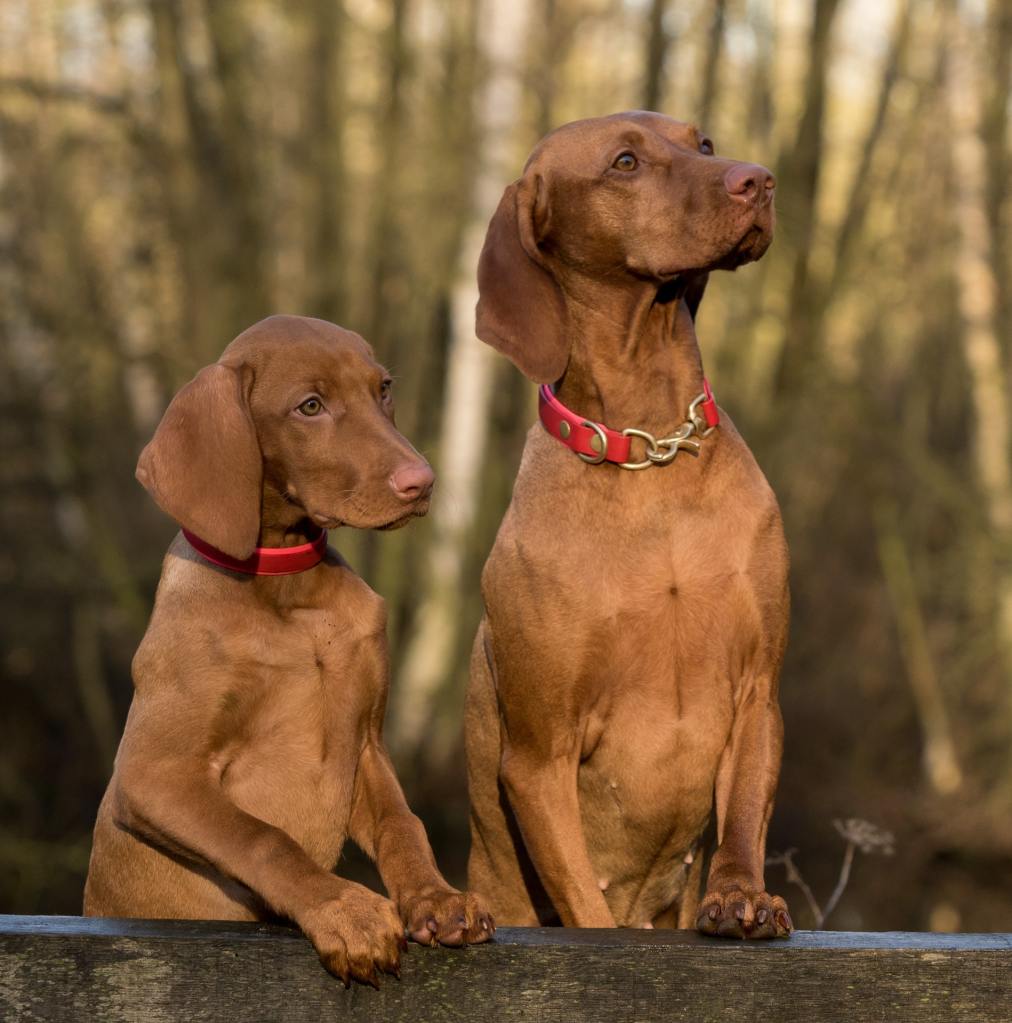
Two dogs exploring a forest together
Image from Pexels by Pixabay

This is the important part: introduce them to each other somewhere outside of your home. Your older dog has lived with you and has gotten used to having their own space. When you invite another dog in their home, their territorial instincts start to kick in and most of the time the meeting doesn’t go well. I’d suggest taking them to an open area such as a park or even in your own backyard. It’s important that when they do meet that they both have the potential to get some distance away from each other if they grow irritated of each other.

Once you get past this phase doesn’t mean you can let your guard down; there will still always be a battle for dominance. Dogs are pack animals and you are the pack leader. You’re expected to treat them fairly; if you give one dog a treat, the others should also get the same treat. It takes a lot of work to balance more than one dog at a time, but it can be very rewarding to have twice the amount of puppy love.
3 Commands to Teach Your Dog During Quarantine

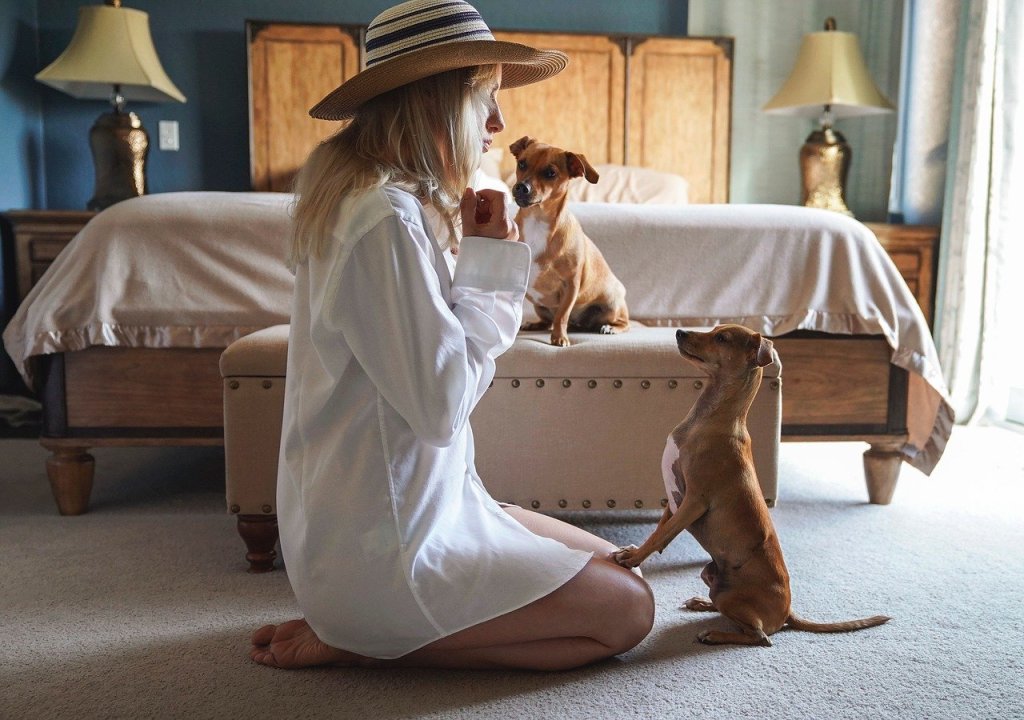
Girl training her dogs to look at her
Image by Jennifer Regnier from Pixabay

Now is the perfect time to train your dog, and the beauty of training is it can be done anywhere.

Here are 3 commands you can teach your dog while in quarantine.

  1. 1. Drop it: Let your dog chew on their favorite bone and then offer them something even more valuable, like chicken or beef. It’s important not to take away the bone before your dog takes the reward you’re offering them. Some dogs are resource guarders; taking it away before they avert their attention from it will only worsen their guarding.
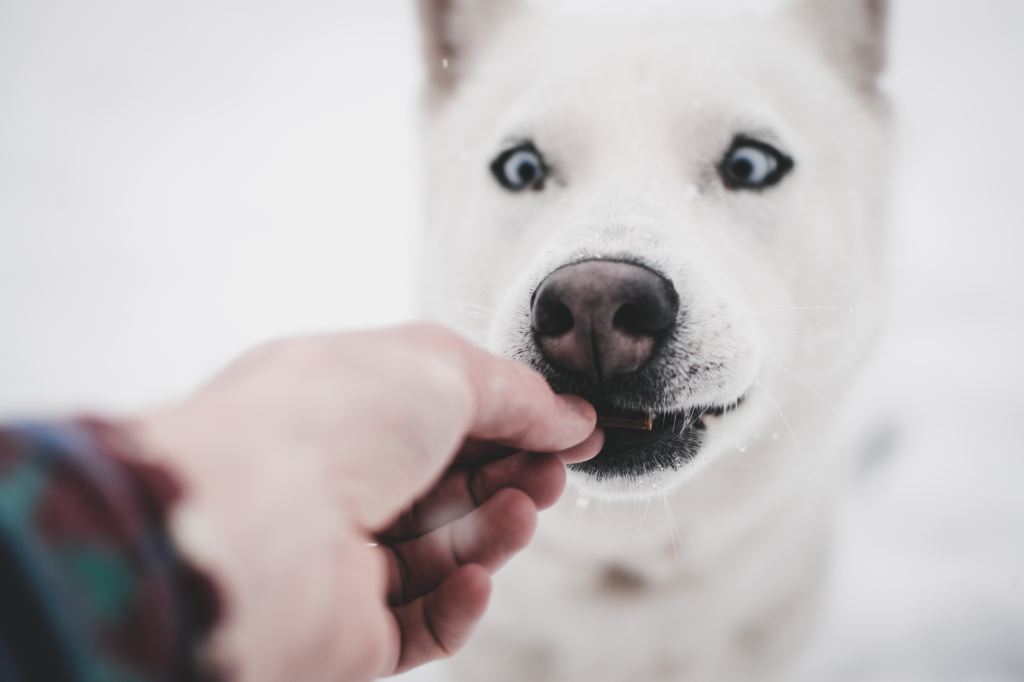
Dog waiting patiently for his treat
Photo by McDobbie Hu on Unsplash

2. Look at me: Calling their name or putting a treat up to your face will work. Once they look at you, reward them and tell them the cue you want them to remember; look at me.

3. Wait for food: Start by having your dog sit next to the spot you usually set their food down. Stand in between your dog and their food. Place the food down, and correct them if they try to approach. This will become habit to wait until you say the command that they may eat, such as “okay,” or “eat.”

Remember to be patient and only offer positive re-enforcement as a way of developing a better bond between you and your dog.

The Best Dog Food for Your Dog

Dog food based on breed
Photo by Daniel von Appen on Unsplash

Life stage is important when considering a new dog food.

A dog that is under 12 months of age should be receiving puppy food for healthy growth and development. Puppies exert more energy than adults or seniors, so they need more protein in their diets.

Adult food, depending on your dog’s energy level, contains less protein. Approximately 18% of calories is required for adult maintenance dog food, compared to the 22.5% of protein puppies need to sustain warmth. If you feed your adult dog puppy food, they will gain weight a lot quicker because they usually don’t have problems sustaining their warmth and energy.

There are adult dog food options that are meant for high-energy level dogs; the American Kennel Club defines high energy dogs as those that are active and fit for activities such as agility training and jogging.

Lastly, there is senior dog foods. These have the lowest form of protein to keep inactive dogs from gaining too much weight. Instead their focus is on joint health, mobility and boosting immunity. PetMD describes when your dog would be considered a senior.

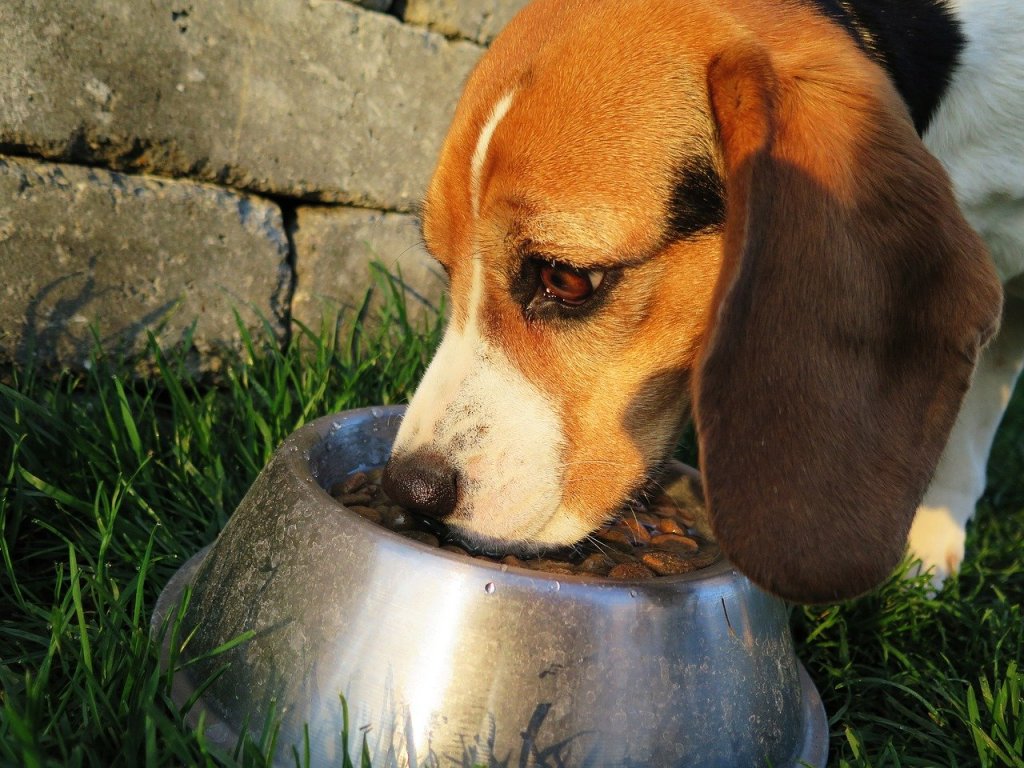
Beagle eating kibble outside
Photo by Daniel von Appen on Unsplash

Whichever food you choose, your dog’s life-stage is an important role to incorporate. Each dog is not the same; they have different needs.

How To Stop Your Dog from Barking

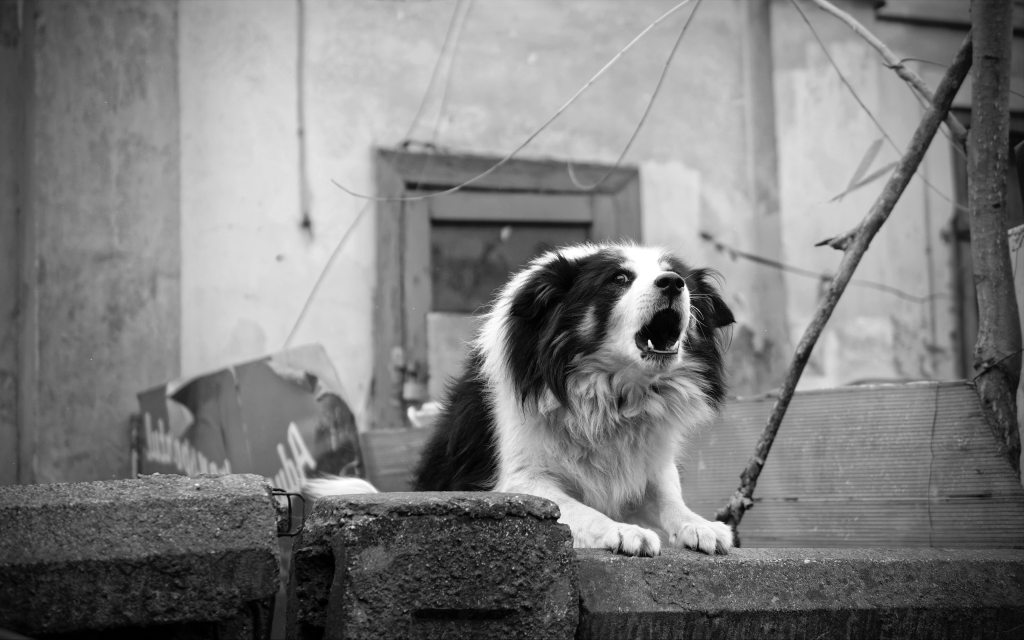
Dog barking at passing people
Photo by Immortal shots from Pexels

Dogs bark for many different reasons such as when they’re unsure of a situation, anxious, excited, or even just out of boredom.

Boredom barking happens mostly with high energy dogs like huskies or german shepherds; they need to be stimulated both mentally and physically. This means you need to develop agility games that can exhaust them mentally and physically.

Once you’ve ruled out boredom barking, you have to find the source of their barking. Most of the time it’s a triggering event or stranger walking across the street; this is known as a territorial bark. You should get their attention off of the thing they’re barking at and onto you. To do this you need a high currency treat; something really tasty and valuable to them. The American Kennel Club has a quick list of treats to find the right one for your dog.

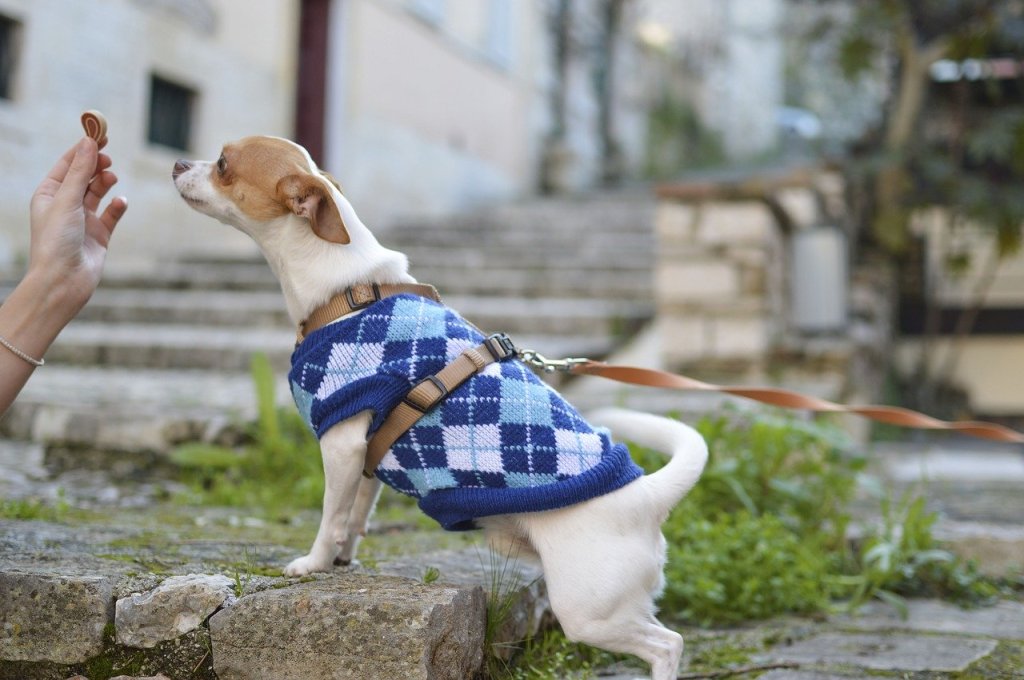
Dog being offered a treat while walking
Image by StockSnap from Pixabay

Once you have a treat you know your dog will love, bring it to their nose and let them smell it while guiding the treat back towards you. When their attention is fully off the object they’re barking at and onto you, reward your dog generously. However it’s important not to continue to do this every time because it’ll condition your dog to bark more.

To avoid conditioning your dog to bark for treats, you should command them to do something they’re good at such as sit or look at me. This still diverts their focus from the object they’re barking at by keeping their mind on the task at hand to get the treat.

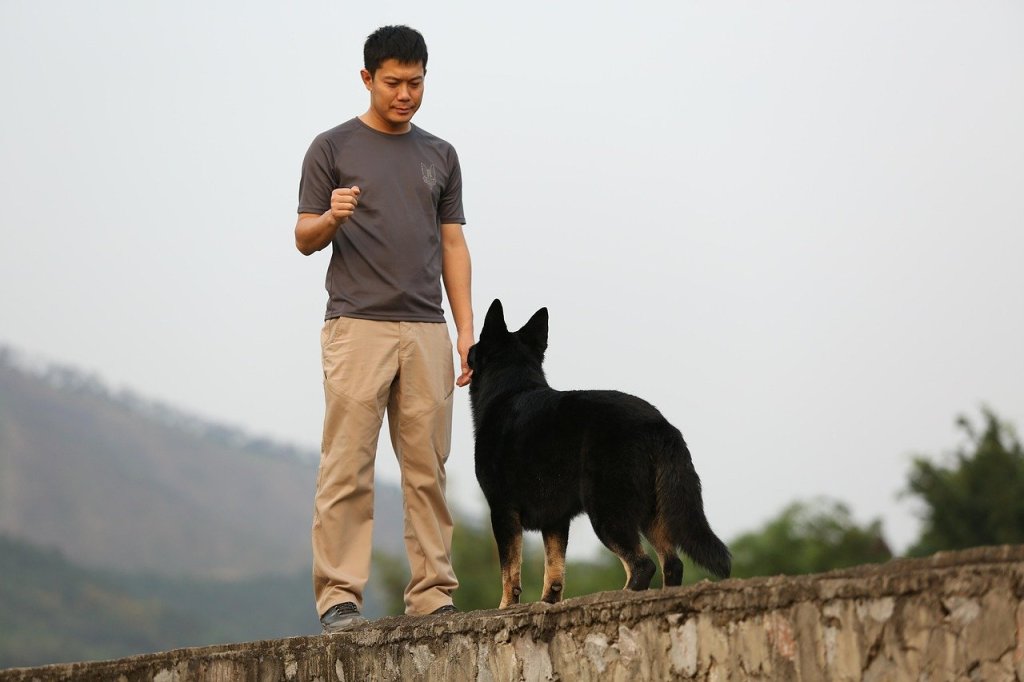
Dog training away from the city
Image by 晓华 廖 from Pixabay

With other dogs this method isn’t that simple. When you can’t get your dog to focus on you no matter what treat you have, resort back to the spot where they were quiet. If you’re walking your dog and they won’t stop barking at another dog across the street, get out of that area and away from the dog so your dog can calm down and focus on you again.

The main concept of stopping excessive barking is to spend time with your dog beforehand to develop a bond. When this happens you’re able to visibly see when your dog is about to bark and intervene to stop that behavior.

Like many other things, this type of behavioral training won’t develop over night. Train with them diligently and they will break the habit.

You Can Give Your Dog The Coronavirus

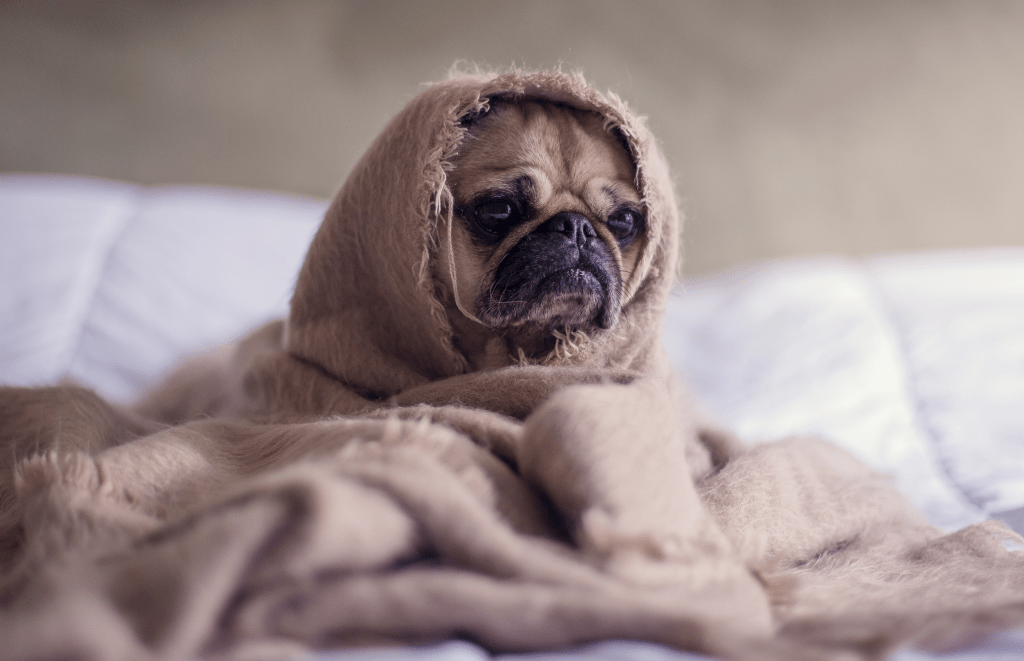
Dog wrapped in a blanket
Photo by Burst from Pexels

You heard correctly; Washington Post wrote about a quarantined individual’s dog who got infected with what they describe as the first known case of human to animal transmission of the virus.

But don’t start going out and purchasing doggy masks yet; the quarantined dog was tested at a weak positive. This means that there’s very little virus in their system which is not enough to be passed on. The quarantined dog will be released once the virus has passed and it has been confirmed negative by the test results.

They cannot give the virus to us. We can only give it to them. Remember to wash your hands thoroughly, and keep your dogs away from those who have been infected with the virus. If not for the sake of your own well being, do it for man’s best friend.

Brush Your Dog’s Teeth

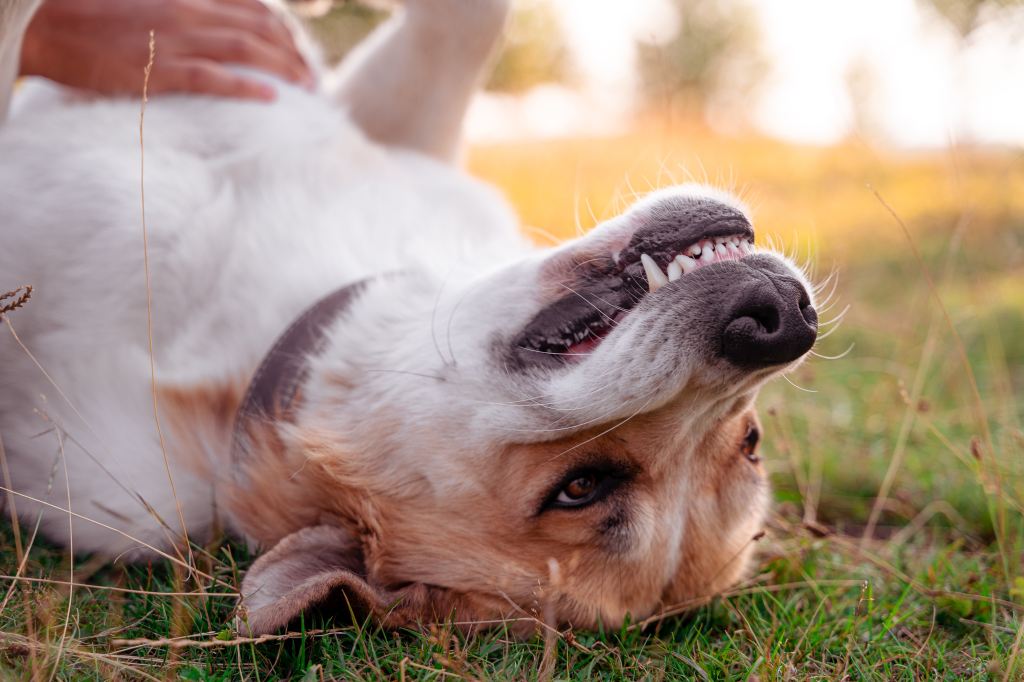
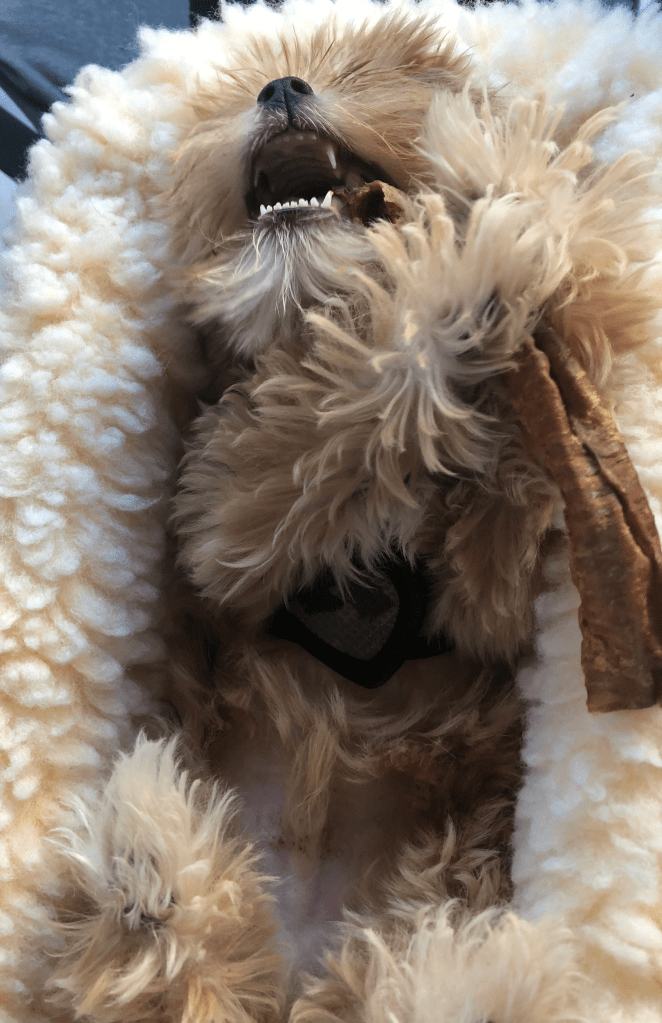
Dog getting belly rubs while showing their teeth
Photo by Lucian Dachman on Unsplash

Brushing our teeth comes naturally to us because we’ve been raised that way. It’s a part of our daily hygienic routine. This practice shouldn’t be limited to just us.

As I stated previously in my post about bones, there are many steps you can take to take care of your dog’s teeth. Bones are only one step in preventing your dog from going through costly surgeries for their teeth. PetMD describes the cost of teeth extraction to be $100 and up. This price doesn’t include anesthesia.

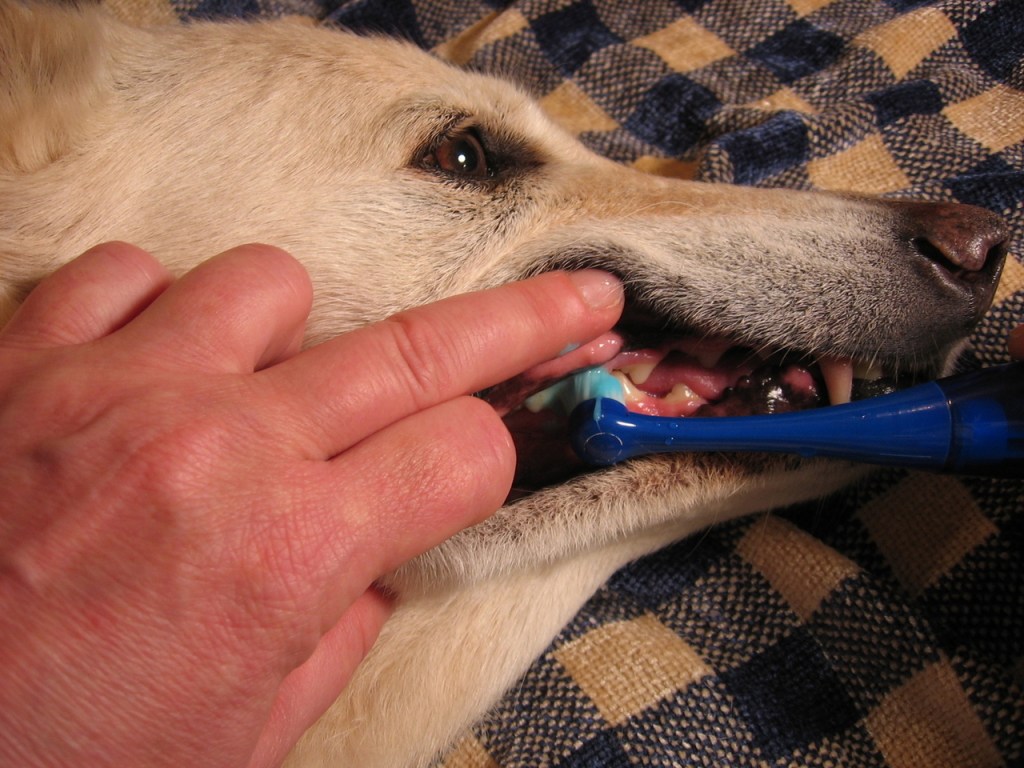
Dog getting their teeth brushed
Photo by Karen Barefoot on Free Images

Brushing your dog’s teeth fights against the yellowing of your dog’s teeth and any build-up directly. You can use a toothbrush, finger brush or a gauze wrapped around your finger. You’re also able to immediately diminish bad breath.

I prefer gel consistency formulas like TropiClean. You don’t have to brush your dog’s teeth for this to work; you simply squirt some gel in the back of your dog’s mouth and let them eat it. If you prefer something more holistic, there are recipes for homemade dog toothpaste. You should never use human toothpaste. The fluoride in our toothpastes causes gastrointestinal problems in dogs.

You should brush your dog’s teeth everyday. For more information, vets provide step-by-step process of how to properly clean your dog’s teeth.

Dealing with Separation Anxiety

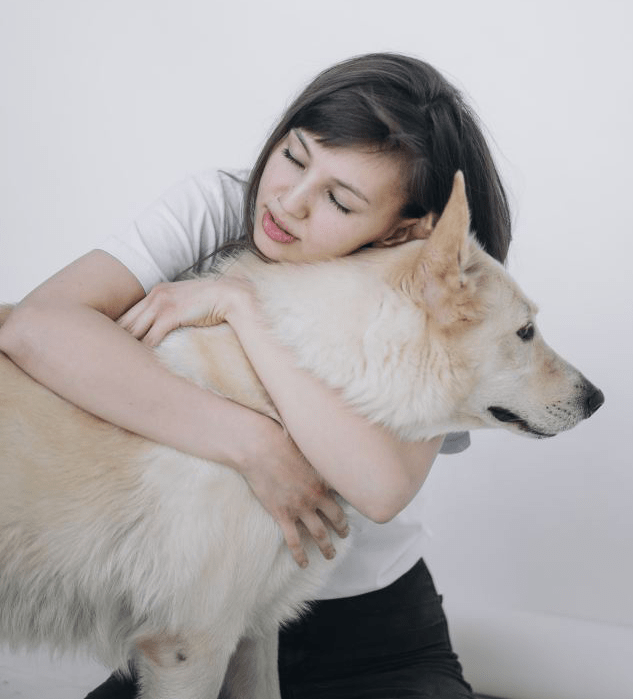
Woman hugging her dog
Photo by Sasha Sashina on Unsplash

Many of us hate to leave our dogs when we have work or school. You may have noticed that when you leave the house your dog starts to exhibit some anxiety. Symptoms can be as tame as whining and crying, or it can be as destructive as tearing up a couch cushion. These behaviors occur because dogs are dependent upon us for many things like comfort and social bonding.

The Humane Society lists some common symptoms of separation anxiety that you might notice in your dog. There are many different ways you can go about addressing this change in behavior, but I’ll give you the two most efficient methods I’ve used.

Desensitizing your dog to the cues of you leaving the house is essential. The jingling of your keys or just saying the word “go” is teaching your dog that those sounds mean you’re leaving them behind. This can be scary for your pup if they’ve gone through trauma from previous owners, or are being left alone for the first time.

If you want to disassociate those sounds, you’ll need to spare a few extra minutes before you must leave. Grab your keys and put on your shoes but don’t leave the house. When you’re re-entering the house, give your dog time to calm down before acknowledging them. What this will do is train them to be in a calm state even when those trigger sounds are happening. This won’t happen overnight. You’ll need to be consistent enough and dedicated to the process.

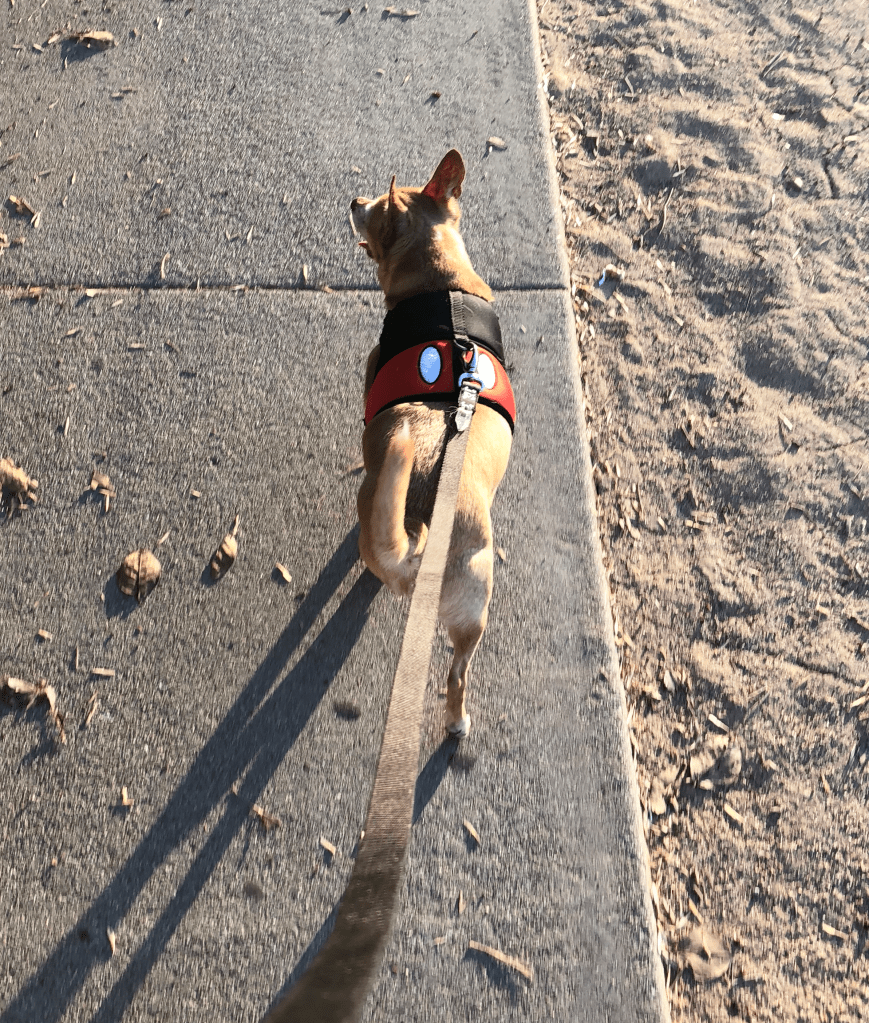
My sister’s dog that has anxiety feels immediately better after a long walk

The final resort is tiring them out. Dogs need physical and mental stimulation, according to PetSmart. Without this stimulation they may find themselves bored and lonely. Playing catch with them or tug-a-war for 20 minutes while you’re dressed to leave helps tire them and disassociates the trigger cues. If you can make time to get a walk or run in, that’ll work even better. A happy and tired dog won’t be paying much attention to you leaving.

Sometimes these methods don’t work; at this point you should consult your vet. There are varying levels of separation anxiety in dogs, and some might require medication to help put them at ease. If you’re still not sure what to do, the Illinois College of Veterinary Medicine lists some symptoms to watch for, and explains why it’s important to speak with a vet.

Dog Bones for Thought

Photo by me

It’s an ancestral habit that dogs love to chew. Bones not only help alleviate anxiety, but they also teach from a young age what is acceptable to chew on.

They also help your dog fight against plaque and tartar build-up. Build-up could lead to various stages of gum disease. Symptoms can be further explained through a vet like Banfield.

I’d like to issue a warning that not all bones are suitable for all dogs. There are a few factors to think about when purchasing them such as size. Never buy a bone that is smaller than your dog’s mouth. It can become a choking hazard to them. Another factor is if your dog has a sensitive stomach. In this case, you shouldn’t give them bones with large amounts of ingredients.

Photo by MorrisDog from Pixabay

For puppies under four months of age, you should refrain from any type of bone. When their permanent teeth come in, you can introduce raw meat bones. Any soft and digestible bones are safe for pups.

The American Kennel Club has provided some do’s and don’ts to consider when purchasing dog bones. Be educated and do your research on products!

My personal recommendation is bully sticks; they’re single-ingredient and high in protein.

Potty Training

Photo by me

The topic can be quite simple. Until you actually start to potty train your dogs, you’ll come to realize it’s not. It’s messy, and rarely as easy as you expect it to be. Time and patience will get you through the hard days of potty training.

One of the things I learned with my first puppy is they have to go — a lot. They have to go after eating or drinking, playing and naps. The time frame for how long after they have to go is around 10 minutes.

I’ve created a list of things I’ve learned to help you through those days when you’re doubting everything you’re doing:

  • Accidents are going to happen. Preparing for the worst is the best possible thing you can do. Invest in cleaning products that not only tackle stains, but also the odors left behind. The odors that linger might encourage your dog to relieve himself in the same spot. The Humane Society goes over the steps to remove stains and odors from various types of material.
  • Provide them with multiple opportunities. It’s better to over-kill than not in this situation. Routine and consistency are the factors that are going to teach your dog how to master the art of potty training.
  • They won’t wait for you to come home. If you know you’re not going to be home, you need to designate a room for your dog to stay in. You need to be okay with the fact that they’re probably going to pee somewhere other than a potty pad (should you choose to put one in there).
  • Inside or outside? It’s up to you. I trained my dog to be able to do both. He’s able to do his business both inside and outside without any complications. My sister trained her dog to go outside, but a downside to this is he hates going when it rains. If your dog is the same, VetStreet provides some tips and tricks around that.
  • Read the cues. Almost all dogs will show signs that they have to go. It can be something as easy as barking at you, or as hard to see as just staring at you. Read your dog’s cues. WebMD has an article all about the common cues, and how to train your dog to give you those cues.
Photo by Marek Szturc on Unsplash

All dogs aren’t the same. Your dog will learn in their own time. Remember to reward good behavior with treats and be patient.

Design a site like this with WordPress.com
Get started