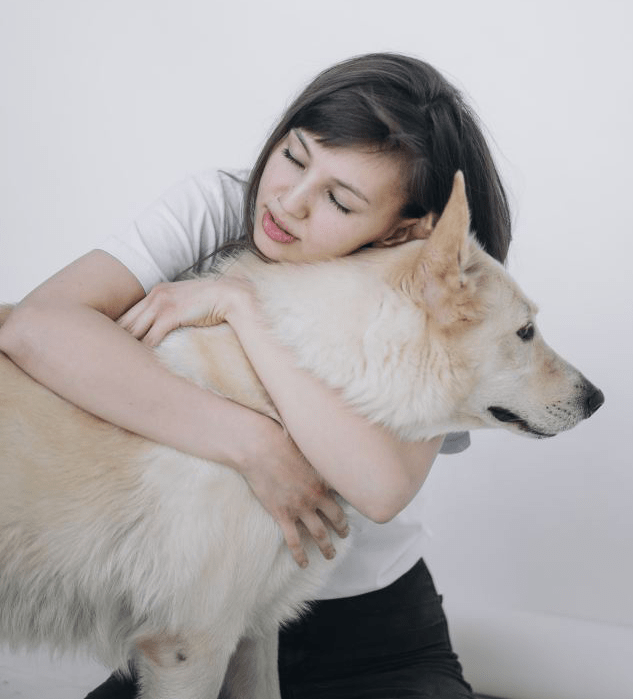
Photo by Sasha Sashina on Unsplash
Many of us hate to leave our dogs when we have work or school. You may have noticed that when you leave the house your dog starts to exhibit some anxiety. Symptoms can be as tame as whining and crying, or it can be as destructive as tearing up a couch cushion. These behaviors occur because dogs are dependent upon us for many things like comfort and social bonding.
The Humane Society lists some common symptoms of separation anxiety that you might notice in your dog. There are many different ways you can go about addressing this change in behavior, but I’ll give you the two most efficient methods I’ve used.
Desensitizing your dog to the cues of you leaving the house is essential. The jingling of your keys or just saying the word “go” is teaching your dog that those sounds mean you’re leaving them behind. This can be scary for your pup if they’ve gone through trauma from previous owners, or are being left alone for the first time.
If you want to disassociate those sounds, you’ll need to spare a few extra minutes before you must leave. Grab your keys and put on your shoes but don’t leave the house. When you’re re-entering the house, give your dog time to calm down before acknowledging them. What this will do is train them to be in a calm state even when those trigger sounds are happening. This won’t happen overnight. You’ll need to be consistent enough and dedicated to the process.
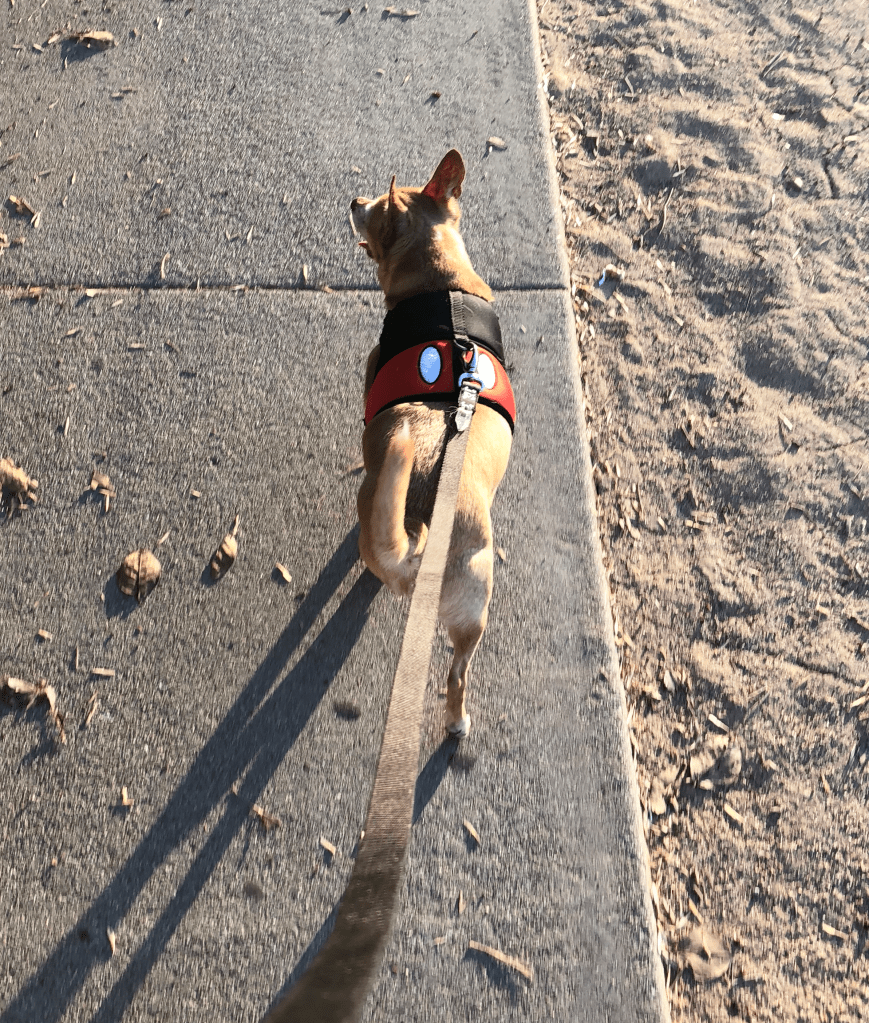
The final resort is tiring them out. Dogs need physical and mental stimulation, according to PetSmart. Without this stimulation they may find themselves bored and lonely. Playing catch with them or tug-a-war for 20 minutes while you’re dressed to leave helps tire them and disassociates the trigger cues. If you can make time to get a walk or run in, that’ll work even better. A happy and tired dog won’t be paying much attention to you leaving.
Sometimes these methods don’t work; at this point you should consult your vet. There are varying levels of separation anxiety in dogs, and some might require medication to help put them at ease. If you’re still not sure what to do, the Illinois College of Veterinary Medicine lists some symptoms to watch for, and explains why it’s important to speak with a vet.
 A Pup's Life